DEEC and INESC-ID celebrate Energy Day

On May 29th, the Department of Electrical and Computer Engineering and INESC-ID hosted Energy Day. The program included the inauguration of the new laboratory, the Energy Dream Lab, thematic panel discussions, and the presentation of the Engenheiro Ivo Gonçalves and Professor Sucena Paiva merit awards.
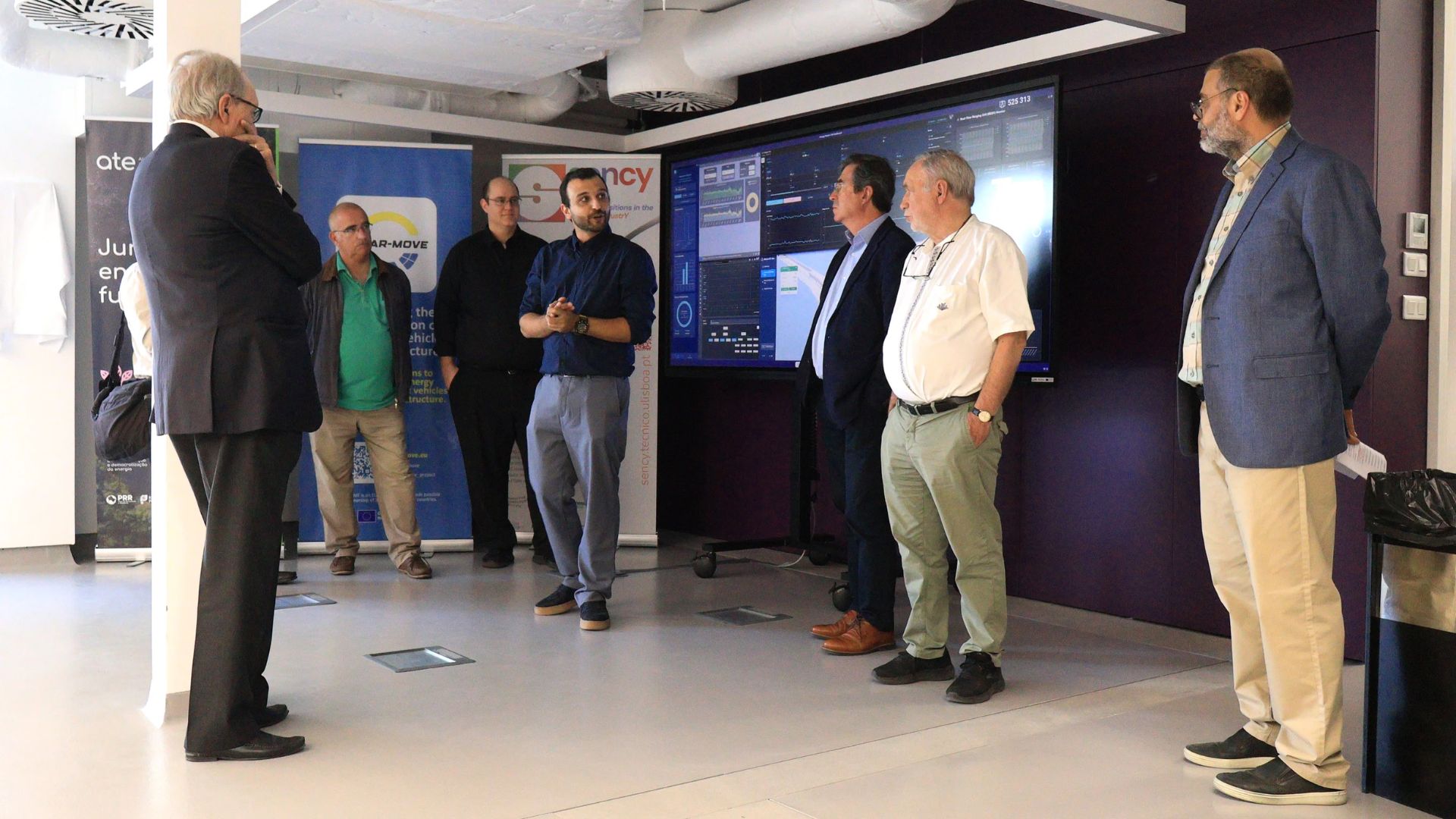
The event began with the inauguration ceremony of the new joint infrastructure of Técnico and INESC-ID. The Energy Dream Lab aims to modernize research and education in the energy sector. In addition to supporting multiple national and European projects, including industry collaboration, the new space will help improve learning conditions for more than 250 students per year.
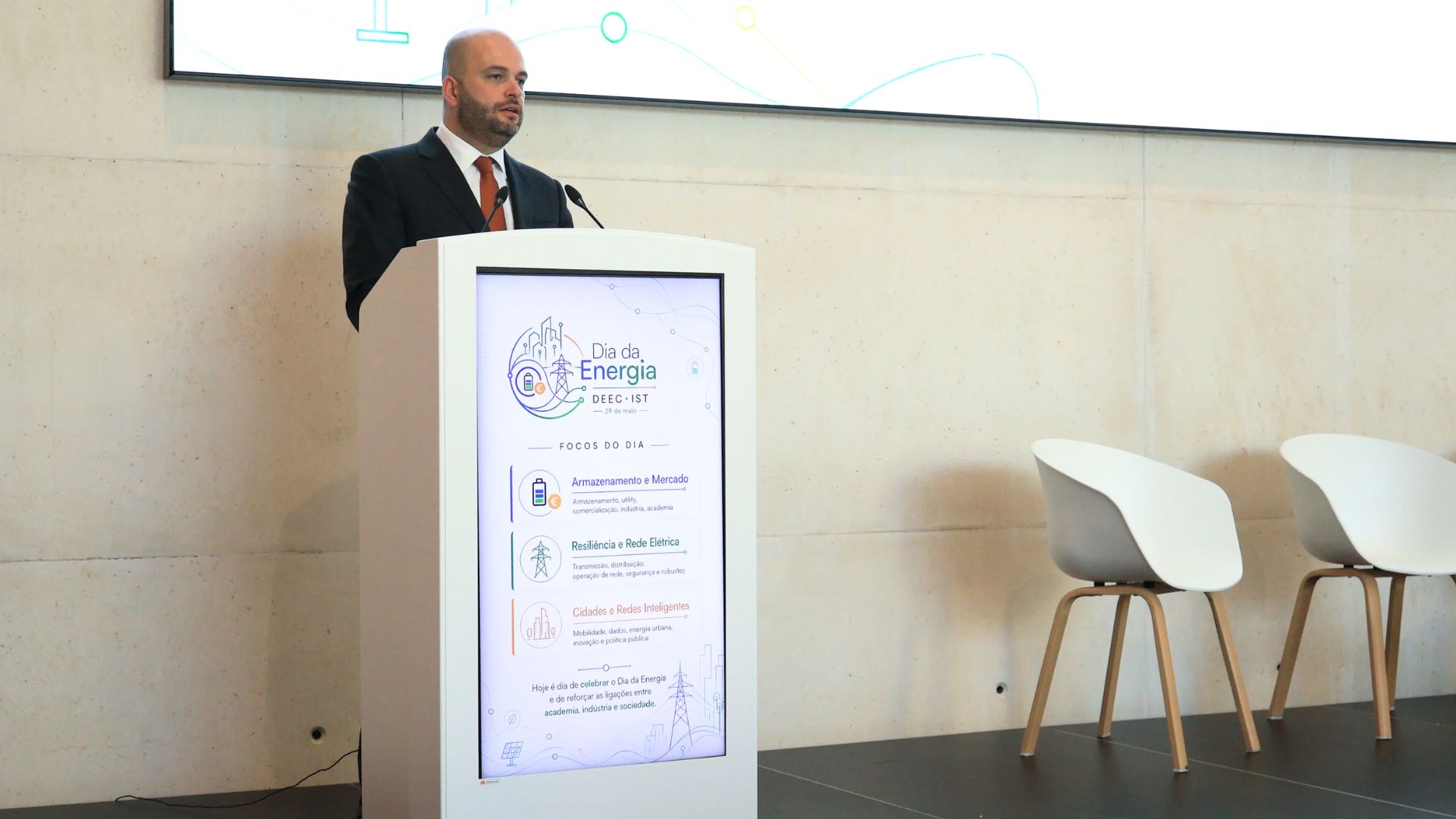
Following this, Energy Day continued at the Técnico Innovation Center. The ceremony featured a brief speech by Jean Barroca, Secretary of State for Energy, who began by highlighting the importance of discussing topics such as energy availability and price competitiveness within the energy transition. The Secretary of State also stressed the need to consider the resilience of the power grid, drawing attention to critical scenarios, such as disaster contexts like storm Kristin. For this reason, he mentioned that the Government recently developed a study on adapting the national system to climate change, establishing strategies, deadlines, and priorities to ensure the proper functioning of the power grid. Jean Barroca emphasized the importance of investing not only in research but also in infrastructure, energy storage, strengthening interconnections with other countries (including France and North Africa), and digitalization processes.
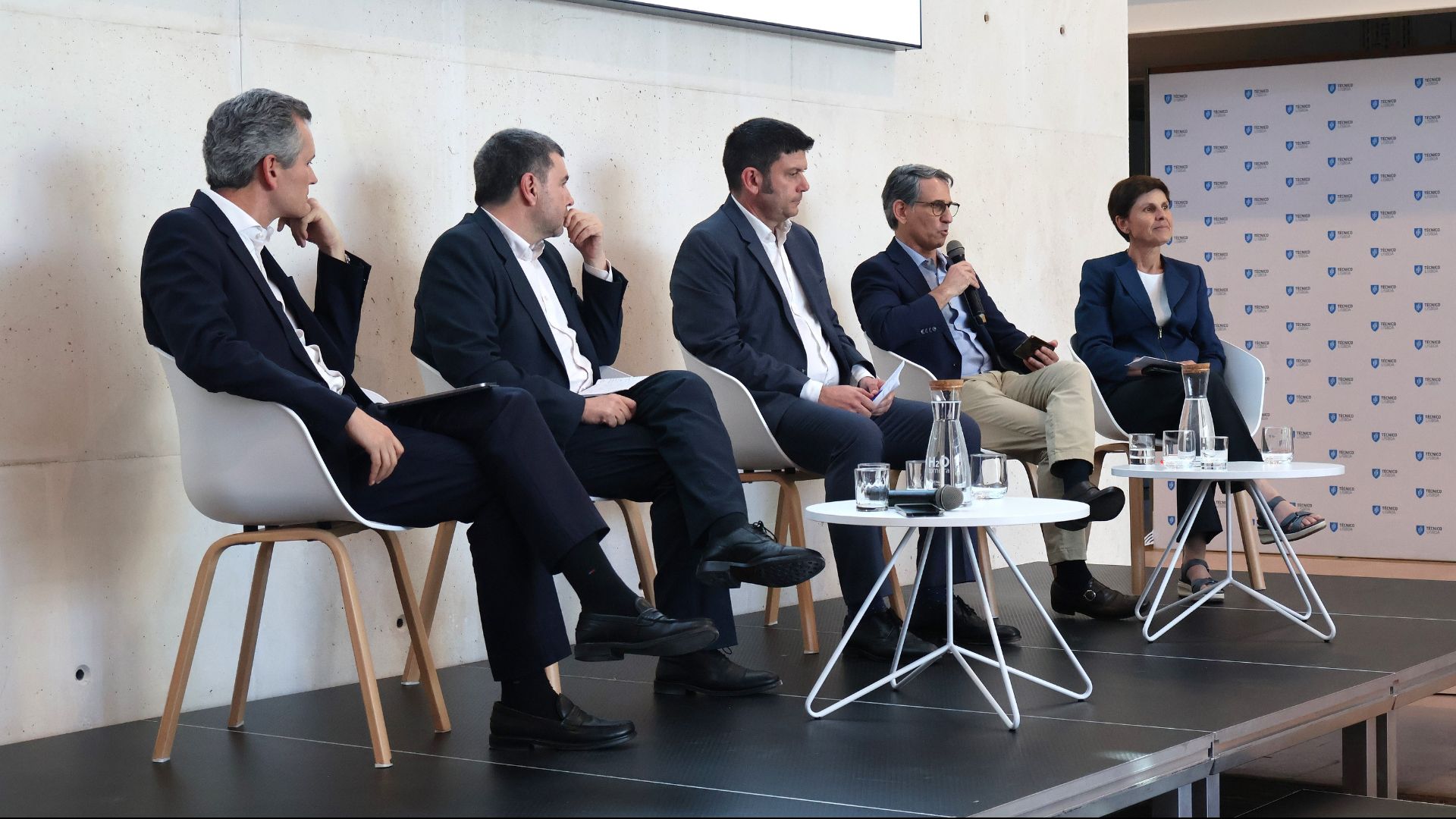
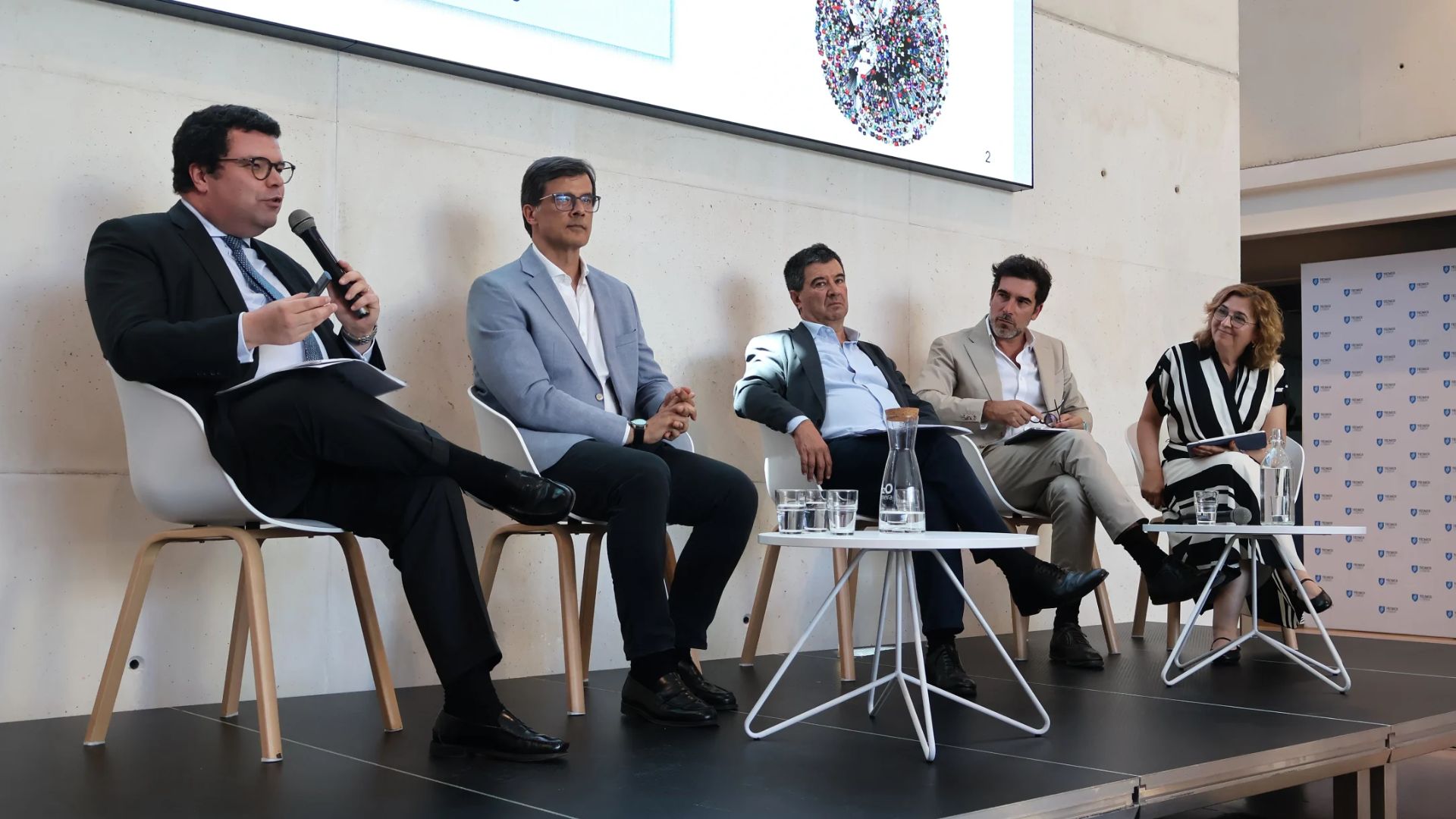
Following Jean Barroca's speech, Pedro Ferreira (EDP), Vasco Martins (CALB), David Rivera (Iberdrola), Jorge Sousa (DEEC / Técnico), and Fátima Montemor (DEQ / Técnico)—who moderated the session—took the stage. The "Storage and Market" panel opened with each speaker sharing their perspective on storage technologies within the current Iberian context. Jorge Sousa stressed the need to consider energy storage beyond electricity, drawing attention to sectors such as thermal energy and the combination of different forms of energy production, storage, and consumption. David Rivera complemented this by highlighting the importance of combining electrical systems (such as long-term batteries) with hydro storage (long-term pumped-storage systems) capable of supporting and reacting quickly to stimuli. On the other hand, Pedro Ferreira added that national energy consumption has risen in recent years, not only due to population growth but also because companies are increasingly looking at Portugal to implement data centers. This trend could impact system prices and reserves, meaning the sector must be rethought to avoid investment losses.
Throughout the debate, topics such as openness to new storage technologies, their implementation, and long-term investment were also addressed. In this regard, Vasco Martins highlighted the complementary nature of different grid utilization perspectives, including industry, grid operators, research, and the end consumer. The panel also featured shared insights into storage and fast-response markets, as well as the implementation of public policies in the sector.
he second session, “Resilience and the Power Grid”, featured João Conceição (REN), Pedro Terra Marques (E-REDES), Perfeito Isabel (EML), and Pedro Carvalho (DEEC / Técnico), and was moderated by Maria João Pereira (DER / Técnico). João Conceição began by stating that the power grid currently faces several challenges—including economic, technological, sectoral, physical, and temporal ones—stemming from the increasing complexity of systems and consumption patterns in recent years. Pedro Terra Marques complemented this intervention, adding that this complexity is also due to the scale of the distribution systems themselves and grid asymmetries, given that there is higher energy demand in Lisbon and Porto compared to the interior of the country.
In addition to distribution, the panel addressed energy production issues. In this regard, Perfeito Isabel called attention to short- and medium-term operating costs in this field. From a research standpoint, Pedro Carvalho emphasized that electrical resilience has always been a core issue in system development. Currently, researchers use metrics related to energy production, distribution, and service quality to anticipate potential issues. With this in mind, the professor challenged students and research centers to think of new metrics to improve grid resilience.
During the panel, the speakers also reflected on topics such as security of supply, adapting production and distribution to economic dynamics and social needs—including issues related to competitiveness, sustainability, digitalization, data management, necessary investment, and challenges in higher education. The panel concluded with a debate on the impact of artificial intelligence on grid resilience and robustness.
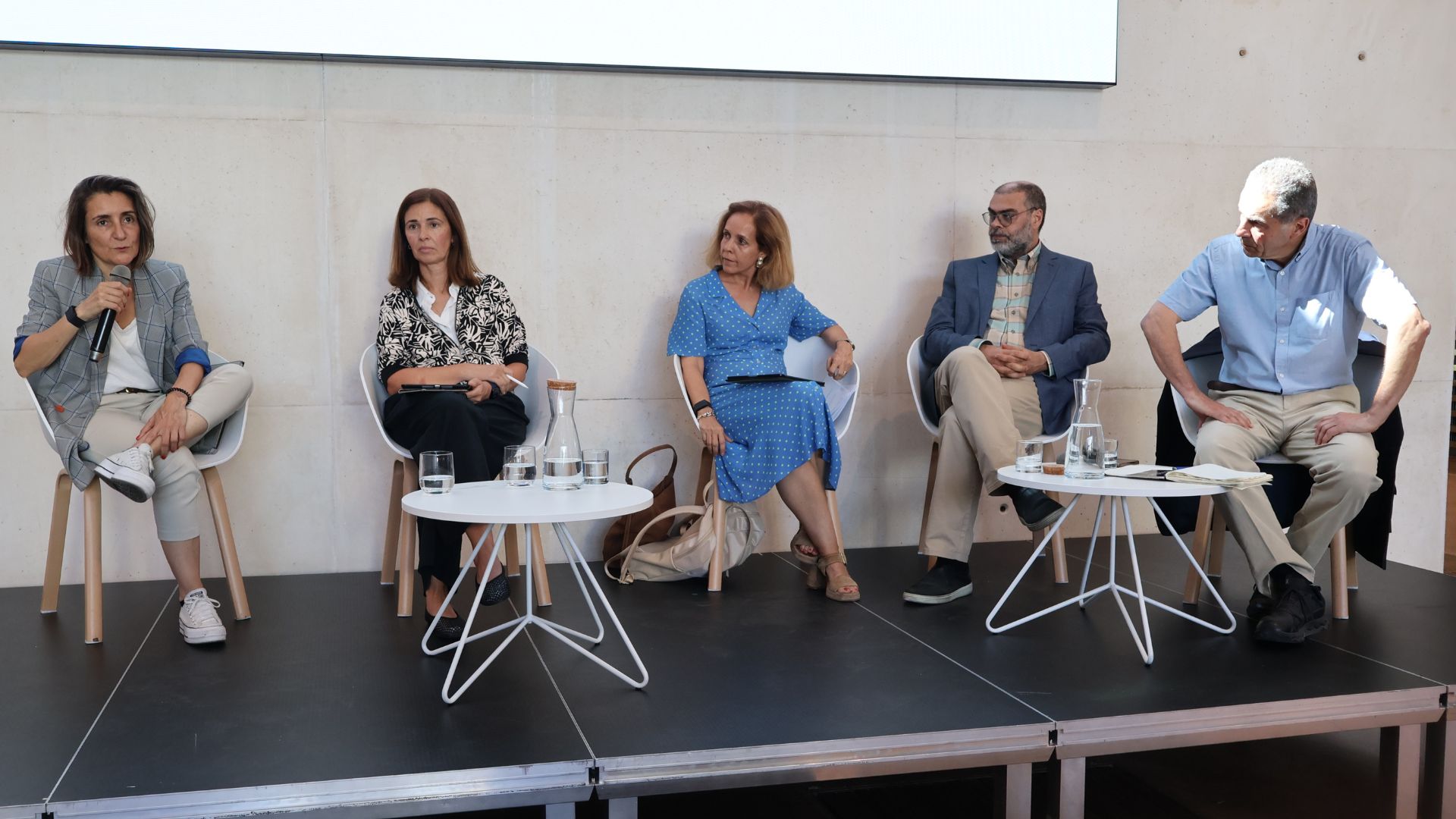
The final panel, "Smart Cities and Grids", featured Helena Silva (CEiiA), Sofia Tavares (EDP Inovação), Sofia Pinto Barbosa (Greenvolt), and Hugo Morais (DEEC / Técnico), and was moderated by Manuel Heitor (DEM / Técnico). The session began with questions from the audience covering topics such as how smart grids function, the role of electric vehicles in flexibility systems, and the Portuguese context in this field. Sofia Tavares started by highlighting that smart grids play a central role in smart cities, as these cities require increased energy consumption, more electric chargers, heat pumps, decentralized energy production units, and flexibility services, all while optimizing system efficiency and speed. Sofia Barbosa added that Portugal currently has the most advanced regulatory model for collective self-consumption and energy communities in Europe. This model allows consumers to share locally produced renewable energy. In a context requiring greater electrification, it becomes possible to install solar panels on building rooftops, for instance—facilitating licensing—and share the surplus energy with other consumers who lack the infrastructure capacity.
On the other hand, the concept of a "smart city" goes beyond integrating renewable energy. Hugo Morais highlighted the strong impact of investing in structures designed to integrate electric mobility and energy flexibility services, an effort that aligns with the work developed at CEiiA. Helena Silva noted that the business sector has focused on developing management systems and charging structures over the last few years. Additionally, work has been done in monitoring and analyzing data from unmanned vehicles in space missions, aiming to contribute to safety and defense in disaster scenarios.
Throughout the panel, other topics were addressed, such as the integration of automation systems, the use of artificial intelligence, asset utilization optimization, labor shortages, and the difficulty of accessing data required for research, alongside some of the current active national and European projects in this field. As an example, Hugo Morais concluded his intervention by referencing the EV4EU project.
Following the panel discussions, the merit awards ceremony took place. Guilherme Barros won the Engenheiro Ivo Gonçalves Merit Award. The event also featured a brief presentation of the Energy Dream Lab by professors Hugo Morais and Pedro Costa, as well as a closing speech by Rogério Colaço, President of Técnico.
Energy Day concluded with a networking session and a coffee break.