Rollout GP25 EVO: PSEM presents its 7th prototype
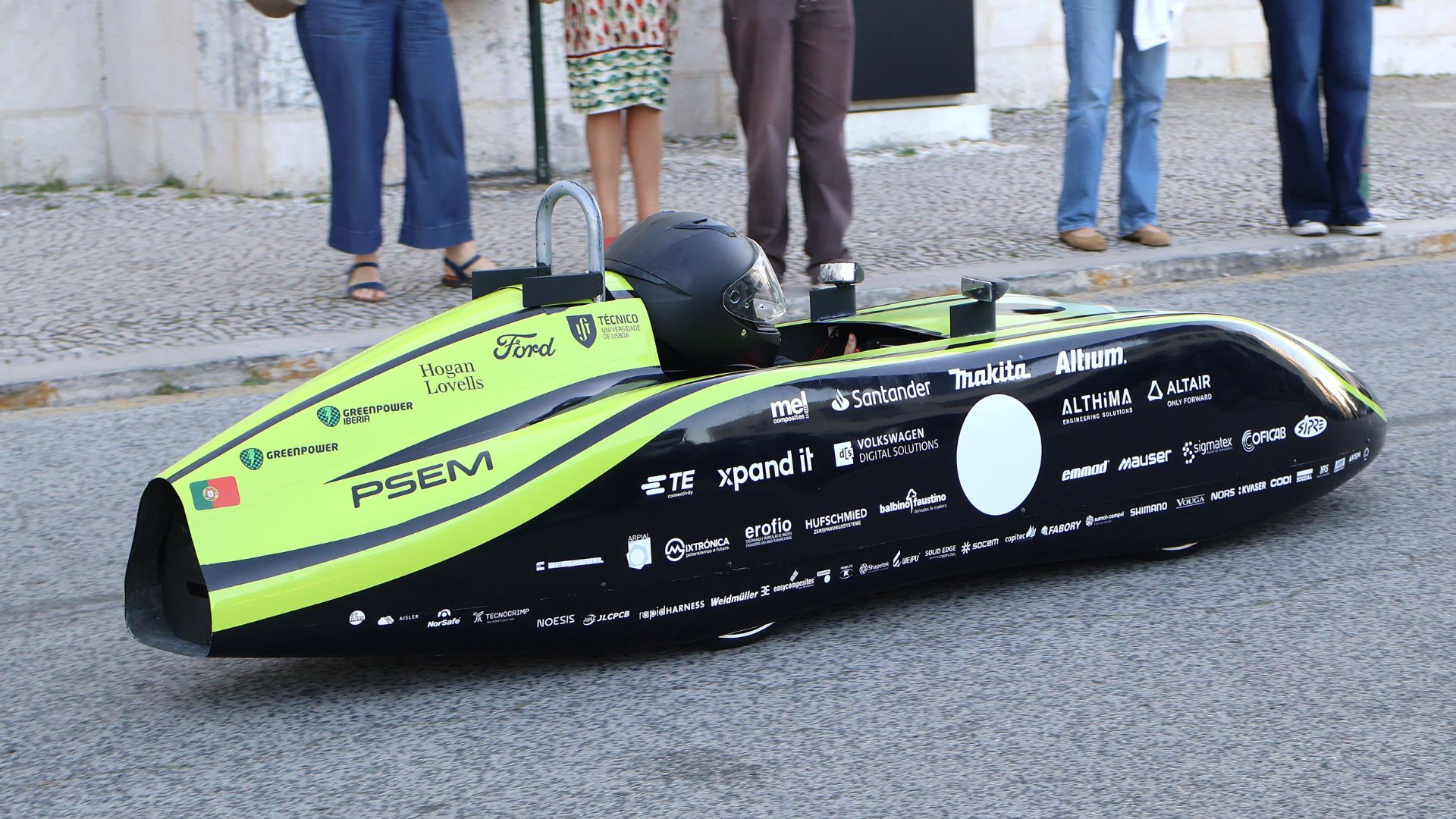
On May 28, the Mobile Energy Sustainability Project (PSEM) presented its latest prototype: the GP25 EVO, also known as Falcão (Falcon). This prototype can reach a maximum speed of 68 km/h, includes a new controller, and features an improved telemetry system, which contributes both to optimizing communication with the driver and to real-time data analysis.
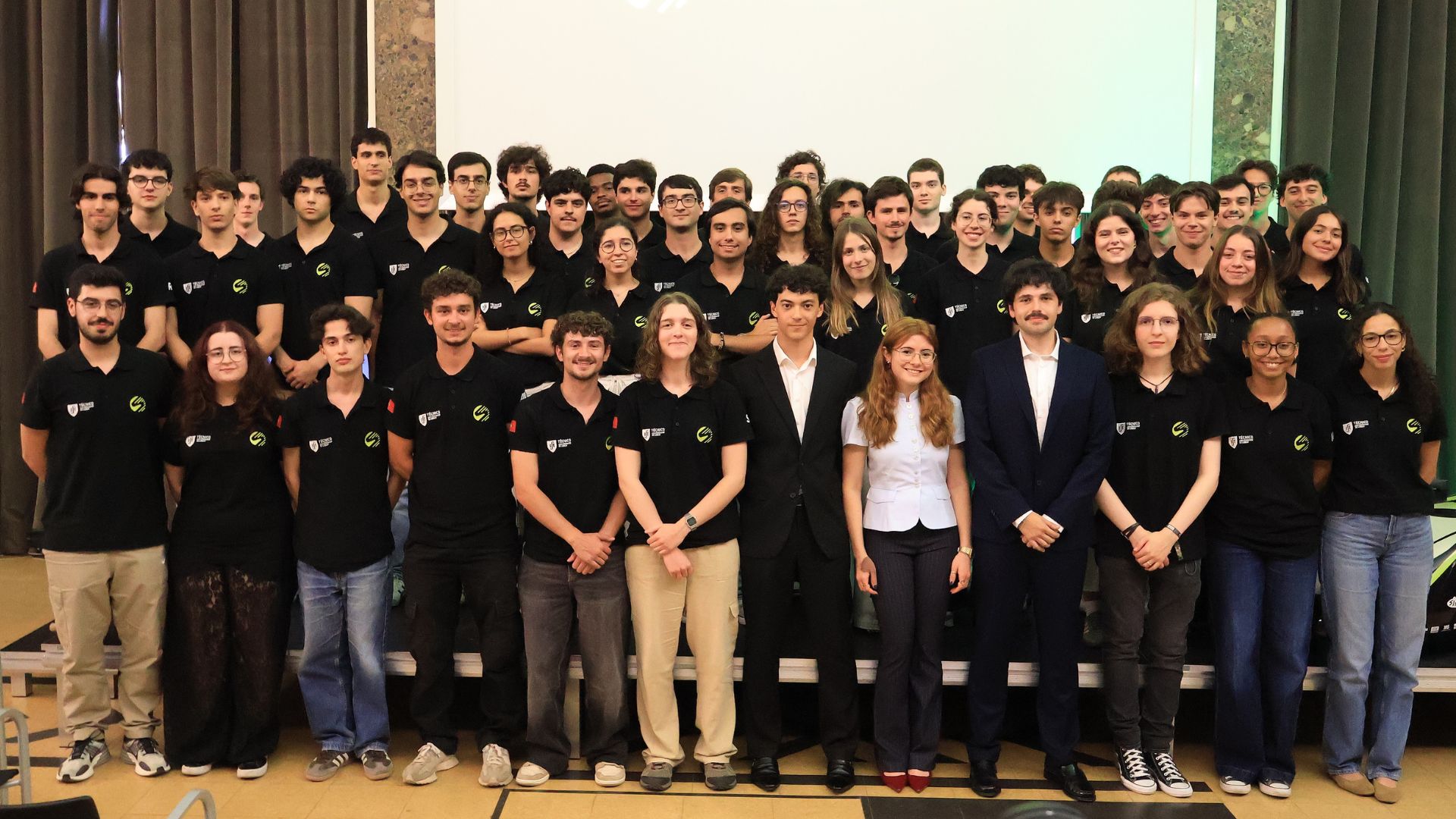
The event took place in the Great Hall (salão nobre) at the Alameda campus and was attended by several project leaders, who shared their testimonies.
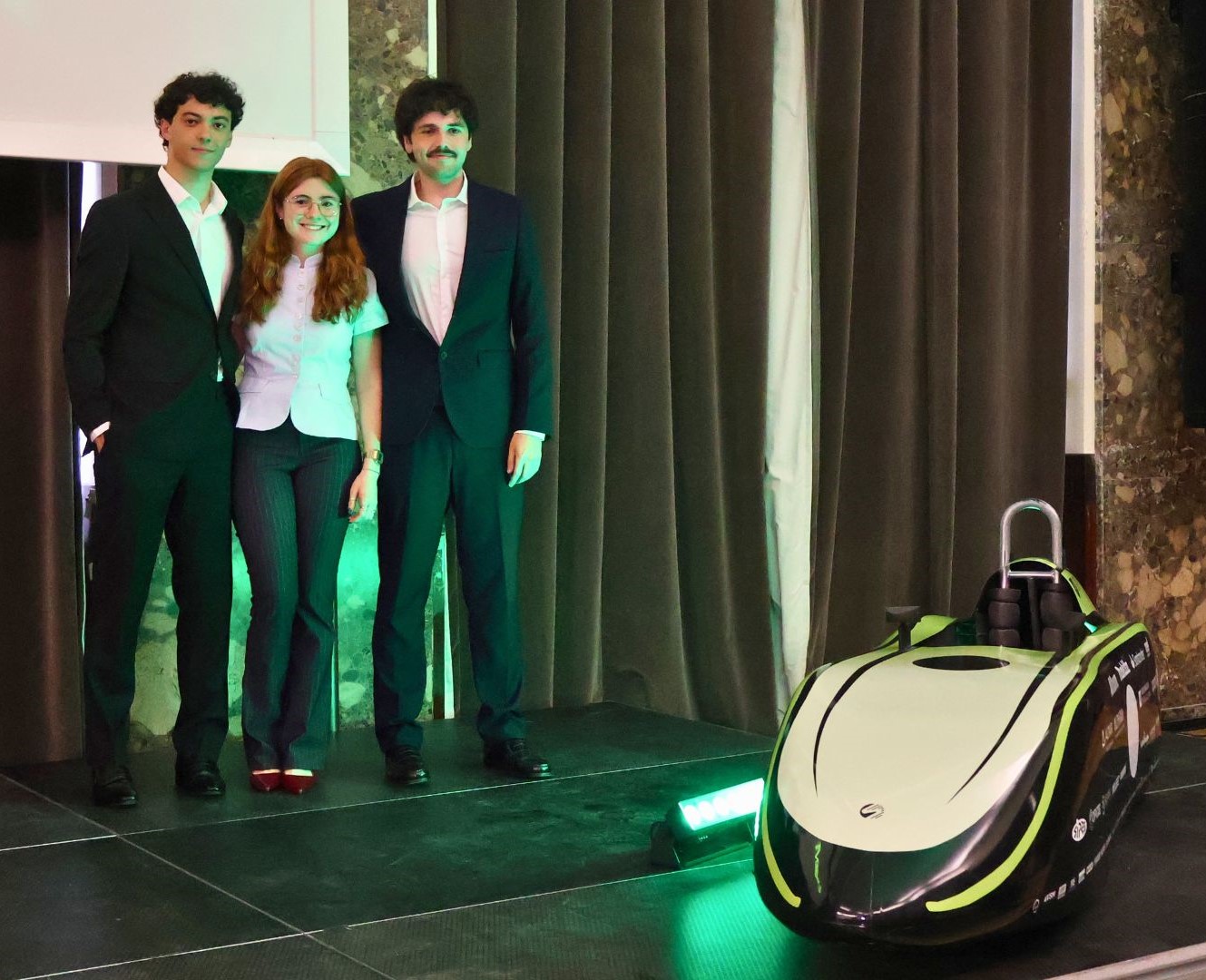
The presentation began with a speech by Leonor Nicolau, marketing leader. She recalled that PSEM, like other student groups, originated from the students' interest in putting some of the concepts learned in class into practice. The 1st prototype, powered by hydrogen, was born in 2008. In 2014, the project transitioned to electric energy.
Pedro Silva, current coordinator of PSEM and a master's student in data science and engineering, highlighted that the GP25 EVO is the result of teamwork, the commitment of the different members, and overcoming obstacles, and underlined the belief that it is the best prototype developed by the group to date. During his speech, he also shared his personal testimony, mentioning that, in addition to acquiring various skills, he also made several friendships.
Rogério Colaço, president of Técnico, congratulated the students on their work and highlighted the fact that the team's dedication resulted in an innovative solution developed in a short period of time: "This is exactly what engineering is (...). This happens now, it didn't happen 40 years ago," he stated, highlighting the capabilities of current Técnico students. "The future is always better and you are proof of that," he said.
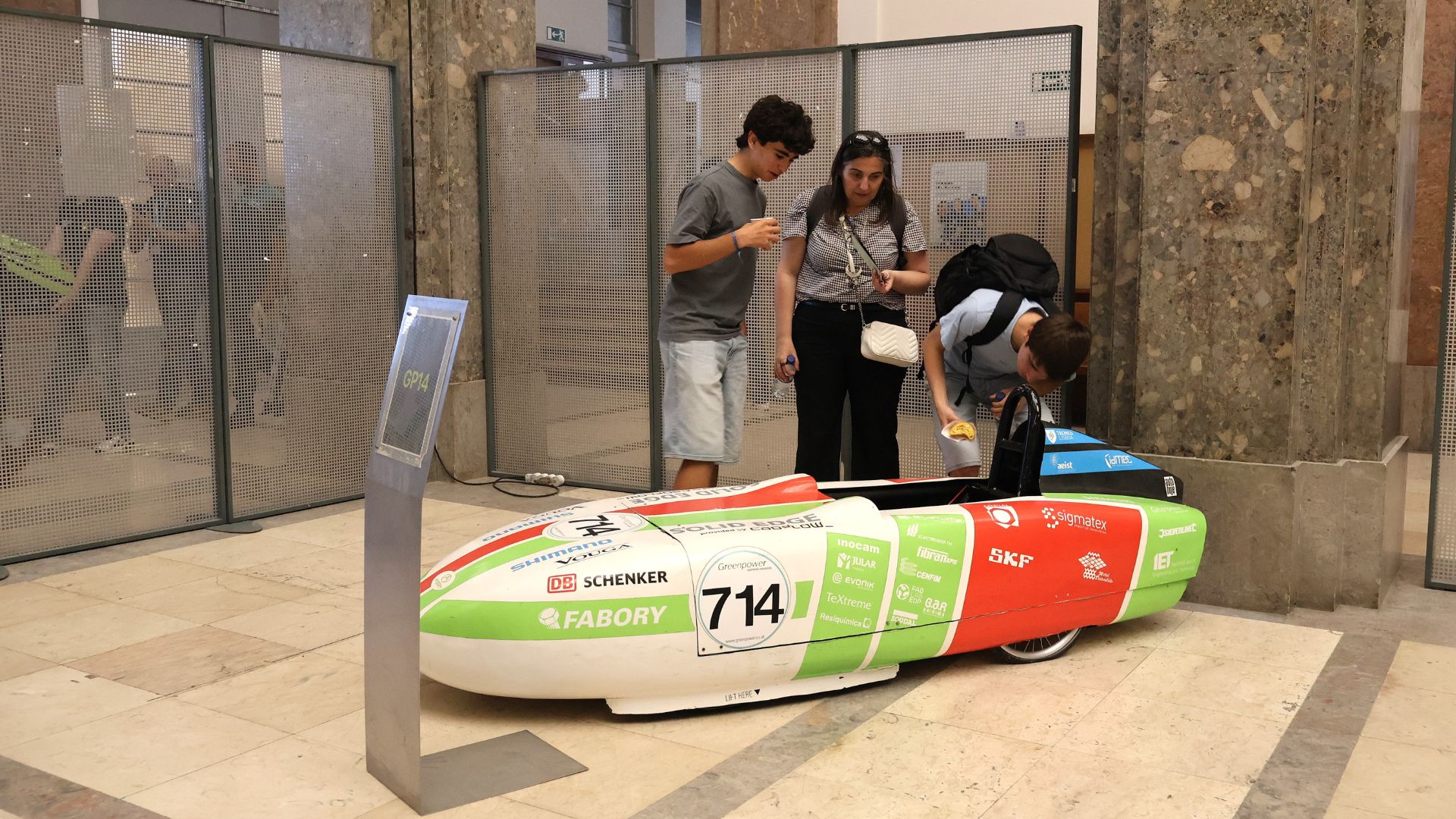
In 2014, PSEM presented its 1st prototype - the GP14, but due to technical problems, the team did not get to compete. After analyzing and correcting faults, the following year the group participated in the international final in Goodwood, where 40 prototypes competed. The team reached 14th place and won the Siemens Engineering and Design Award for the 1st time. In 2016, it obtained the same award and the students began working on the GP17, which, in 2017, rose to 6th place in the international final in Rockingham. In 2018, the team achieved its best result, reaching 2nd place in the competition in East Fortune, Scotland.
In the 2019/20 season, the group faced the COVID-19 pandemic and challenges related to team renewal. The simultaneous departure of the most experienced members and the integration of new elements created an additional difficulty in transferring knowledge across different areas, including the design and construction of the prototype. The team ended up developing much of the work at home, but managed to complete the GP21 and participate in the competition that took place at the Navarra Circuit in Spain. Although the results did not meet expectations, in 2021, the team continued to work and, the following year, achieved 3rd place in Dunsfold and 5th in the international final. Subsequently, it achieved two victories in Dunsfold and Aintree, after the international final in Goodwood, consolidating the results. This year, the team hopes to win new titles, representing the next step in their journey in the Greenpower competition.
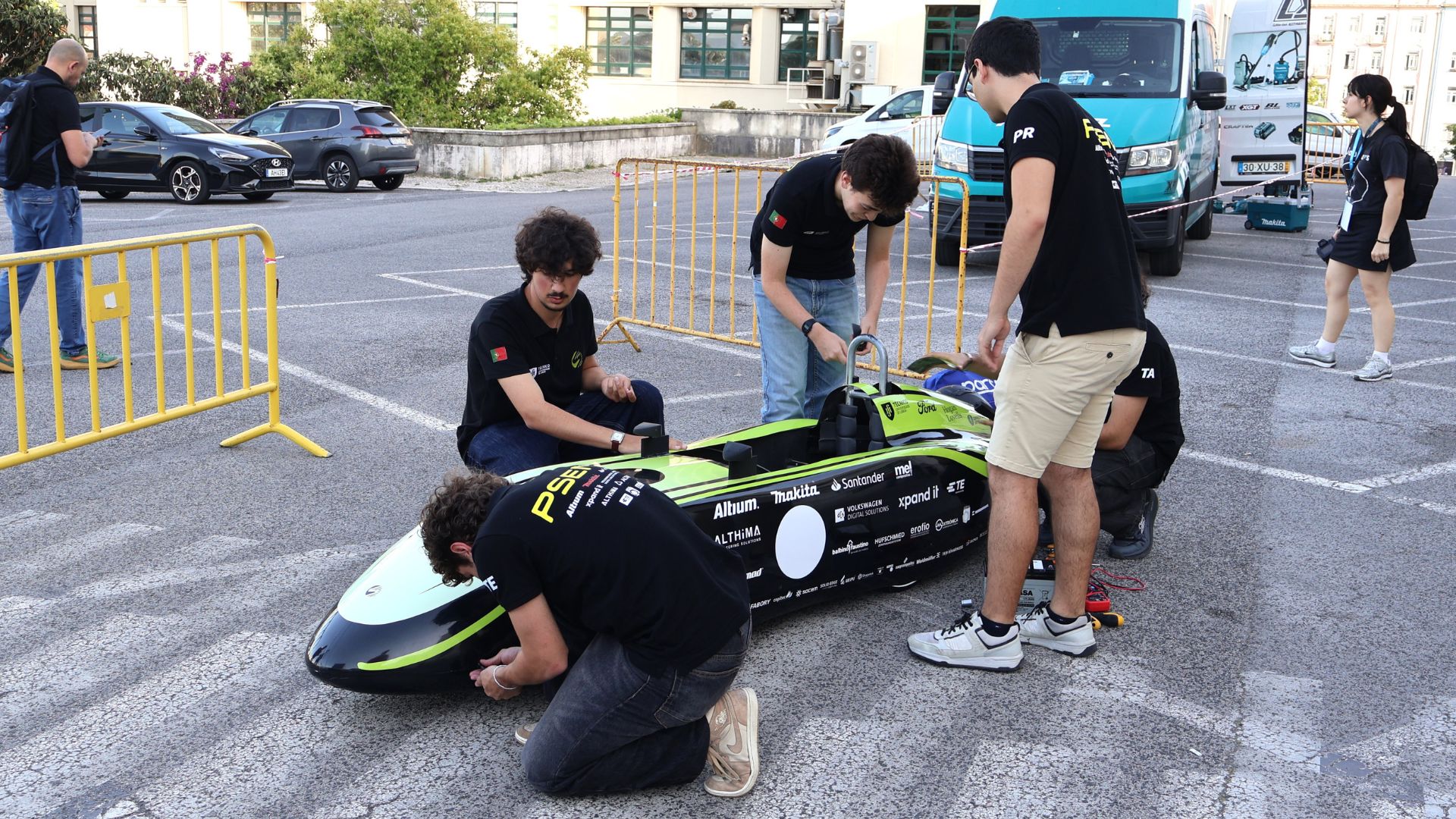
In addition to the presentation in the Great Hall, the event featured an exhibition of the different prototypes in the atrium of the central pavilion and a demonstration of the GP25's operation on campus.
📷View the complete photo gallery here.