“Smart Cities and Homes: How Artificial Intelligence Transforms Shared Space”
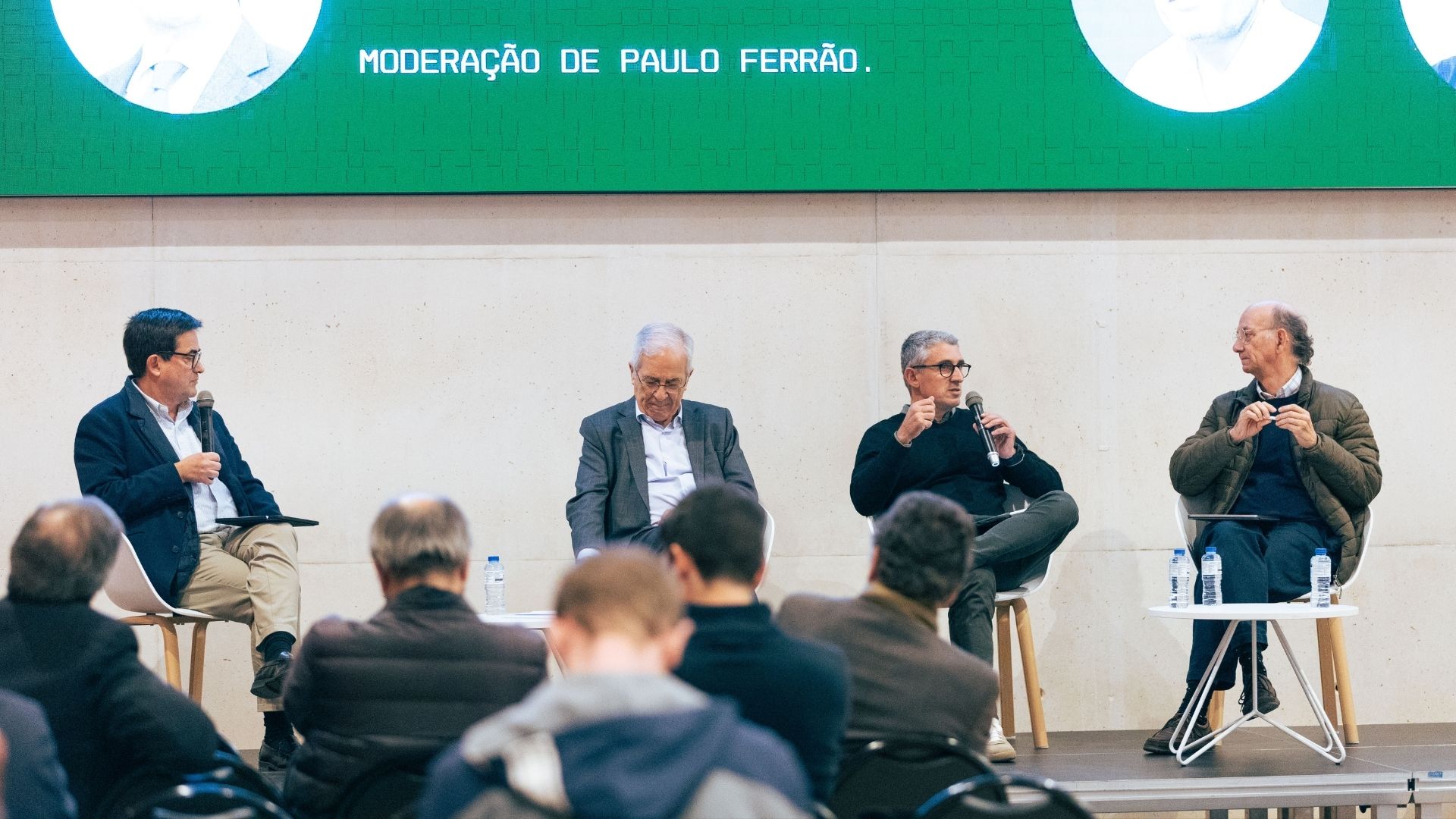
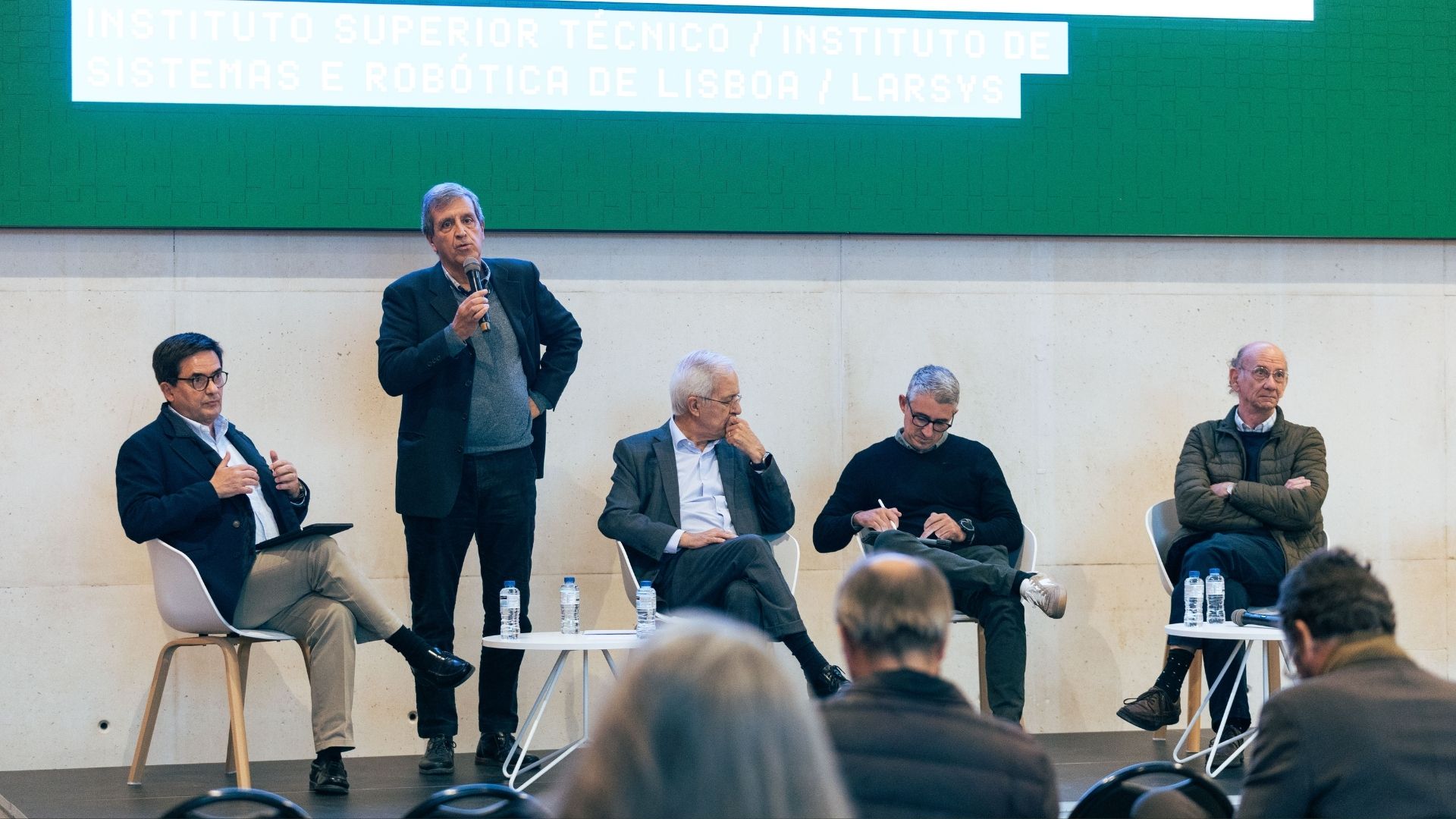
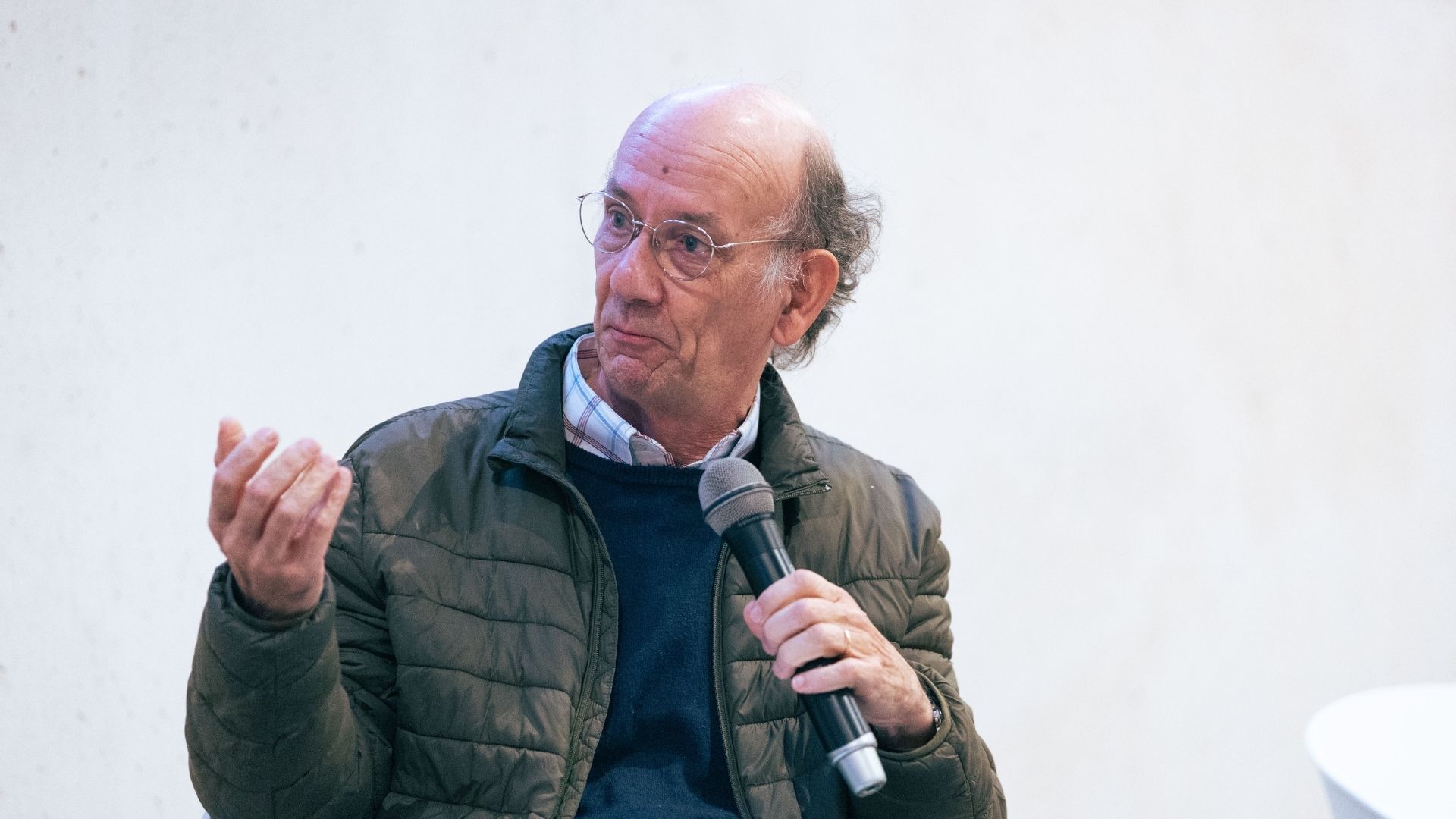
On November 21, at the Técnico Innovation Center, the session “Smart Cities and Homes: How Artificial Intelligence Transforms Shared Space” took place, as part of the series “Artificial Intelligence Interacting in the Physical World”. The discussion focused on vehicle circulation, energy management, the organization of urban services, and the real-time analysis of these factors, along with their increasing use of artificial intelligence. It featured the participation of João Paulo Costeira (professor in the Department of Electrical and Computer Engineering and Institute for Systems and Robotics ISR-Lisboa/LARSyS), Ernesto Morgado (SISCOG), and Miguel Carvalho (Watt-IS), and was moderated by Paulo Ferrão (Técnico and IN+/LARSyS – Center for Innovation, Technology and Development Policies).
The session opened with a brief overview of the evolution of public transport in a context where forecasts, disruptions, and variability shape operational decisions, making it necessary to interpret different usage patterns in real time, considering economic, environmental, and social factors.
João Paulo Costeira discussed the application of visual analysis to traffic, anomaly detection, and the modelling of urban behaviour, highlighting the importance of combining classical models with data-driven systems: “The winner will be hybrid,” he emphasized. He also stressed the need to make algorithms accessible and understandable, considering the risk of dependence on “large proprietary platforms”.
From a research perspective, the event also touched on topics such as the development of technologies capable of keeping pace with the growing volume of data, as well as their role in managing electrical grids, energy efficiency, resource optimisation, preventive maintenance, and the integration of renewable energy sources. The discussion also included citizen participation and the public services in which AI systems may be applied, considering the balance between automation and human decision-making.
The session concluded with a shared view among the participants on the importance of integrating artificial intelligence gradually and transparently, directing it toward concrete needs and supporting it with supervision mechanisms that ensure the reliable operation of systems, in coordination with existing infrastructure and the daily uses of the city.
The next session of the series, “Artificial Intelligence Interacting in the Physical World”, will take place on December 12, under the theme “Smart Grids for a Sustainable Future: Energy, Water, Environment, and Agriculture”, also at the Técnico Innovation Center powered by Fidelidade, with free admission.
News and photographs: Técnico